What Calisthenics Equipment Is Actually Worth Your Money?
I bought every piece of calisthenics equipment so that you don’t have to, so let’s find out what is and isn’t worth your money!
”For a training style famous for only needing your body and free space to get a considerable workout, there’s loads of equipment that you can spend your hard earned money on”
So Let’s go through what is and isn’t essential…
Gymnastics Rings
For me, gymnastics rings are probably the most goated pieces of equipment in all of training - not even just bodyweight training - I mean with these, you basically have a gym that you can carry around in your gym bag, and perform so many exercises and varying levels of difficulty.
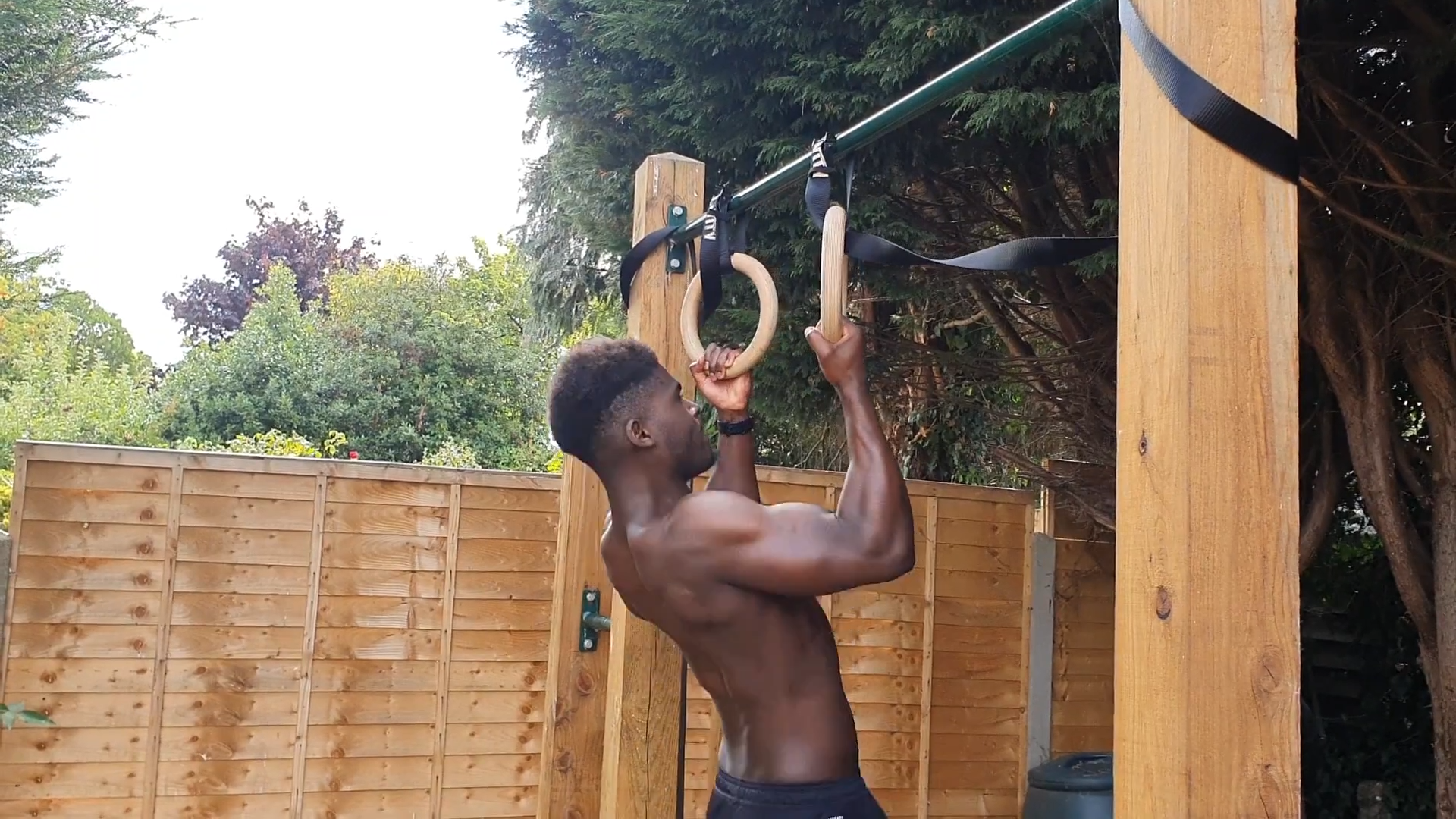
We can set them up anywhere, and we’re only as limited as our imagination with what we can do with them.
They are great for offering a joint-friendly alternate option for a pull up grip and all this is before we even consider the gains that they can give for pushing exercises!
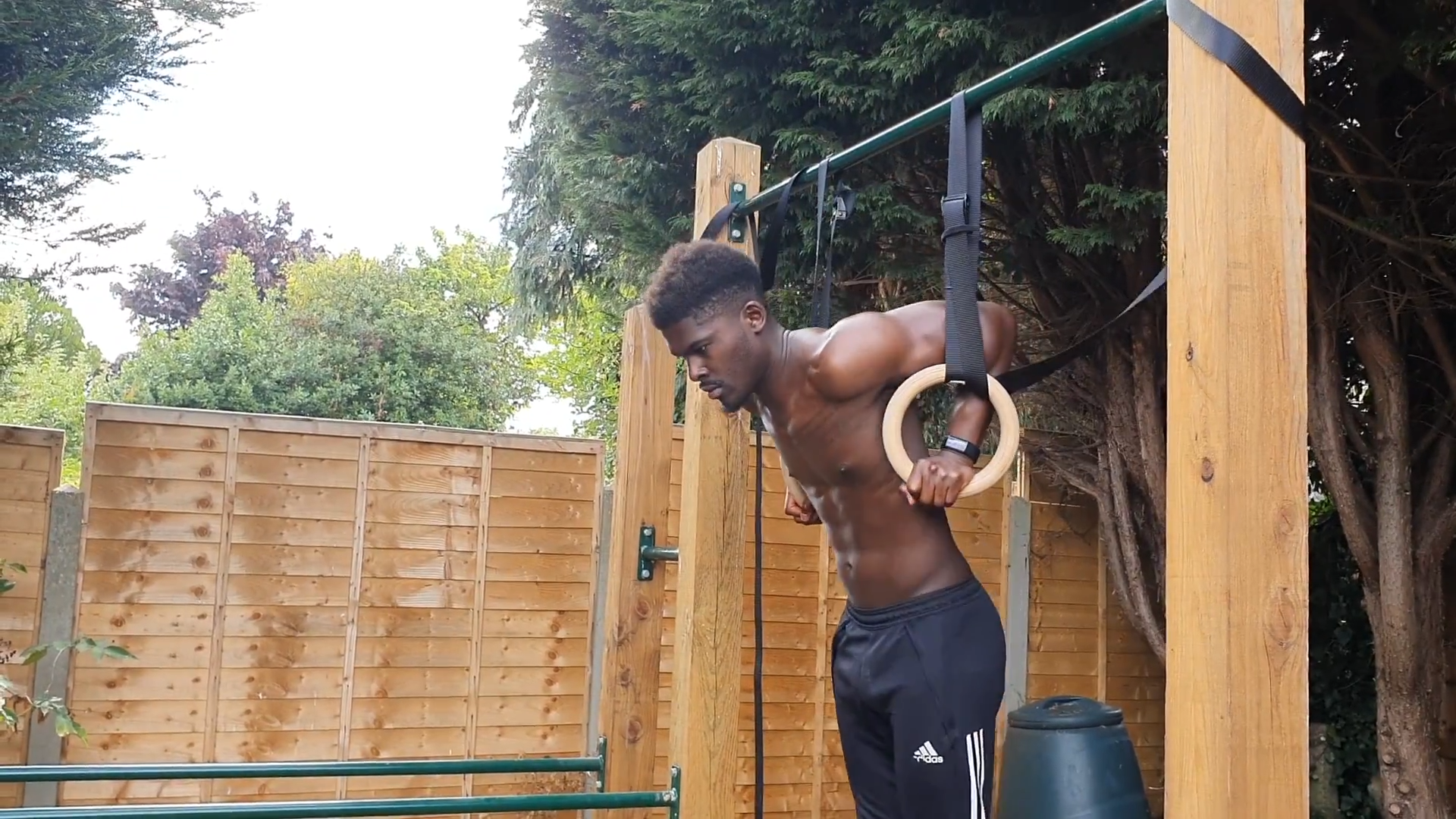
If you think you have mastered dips or push ups, try them out on rings and you may find yourself humbled.
Gymnastics Rings: Must Have
Liquid Chalk
Going hand in hand with rings (pun intended), we have chalk.
I made a video recently testing the effect chalk has on our ability to grip, and even though I use chalk all the time, I was still surprised.
We are only as strong as our weakest link and if your palms are sweaty but your arms aren’t feeling heavy, then invest in some chalk to get that grip up.
Liquid Chalk: Nice to have
Calisthenics Dream Machine
I want to spend some time taking about dream machines,
These are complex pieces of equipment often used by gymnasts to learn god-tier skills.
It uses a series of pulleys and counter levers to make movements on rings easier.
On paper this means we should be able to scale our exercises up or down like we would with a typical weights exercise, right?
Well no.
In fact I’d argue that the dream machine completely changes the whole nature of a movement, and without already being extremely familiar with a skill, you can quickly fall into bad habits using one of these.
Gymnasts use dream machines, yes. But for the money they cost I’d say they’re a solid ‘not worth it’ for most calisthenics athletes.
Dream Machine: Don’t bother
Pull Up Station
Now many of you will know about my garden gym set up, it is where I film most of the videos for my YouTube channel, and frankly I love it.
Granted, it is not the most useful in the winter, but for a calisthenics athlete to be able to roll out of bed and have something like this available - it’s actually my pride and joy.
Now obvious caveat is that you need garden space, and you may need to agree with the person who you share your life with that this will add value and won’t end up like some unused dusty treadmill in some dark room.
But a garden pull up station keeps me on track when I don’t have time to go to the gym.
It also means I’ll never need to buy a doorway pull up bar ever again, which aside from being the most treacherous pieces of calisthenics equipment out there, just wouldn’t work for the sort of skills that I am looking to learn!
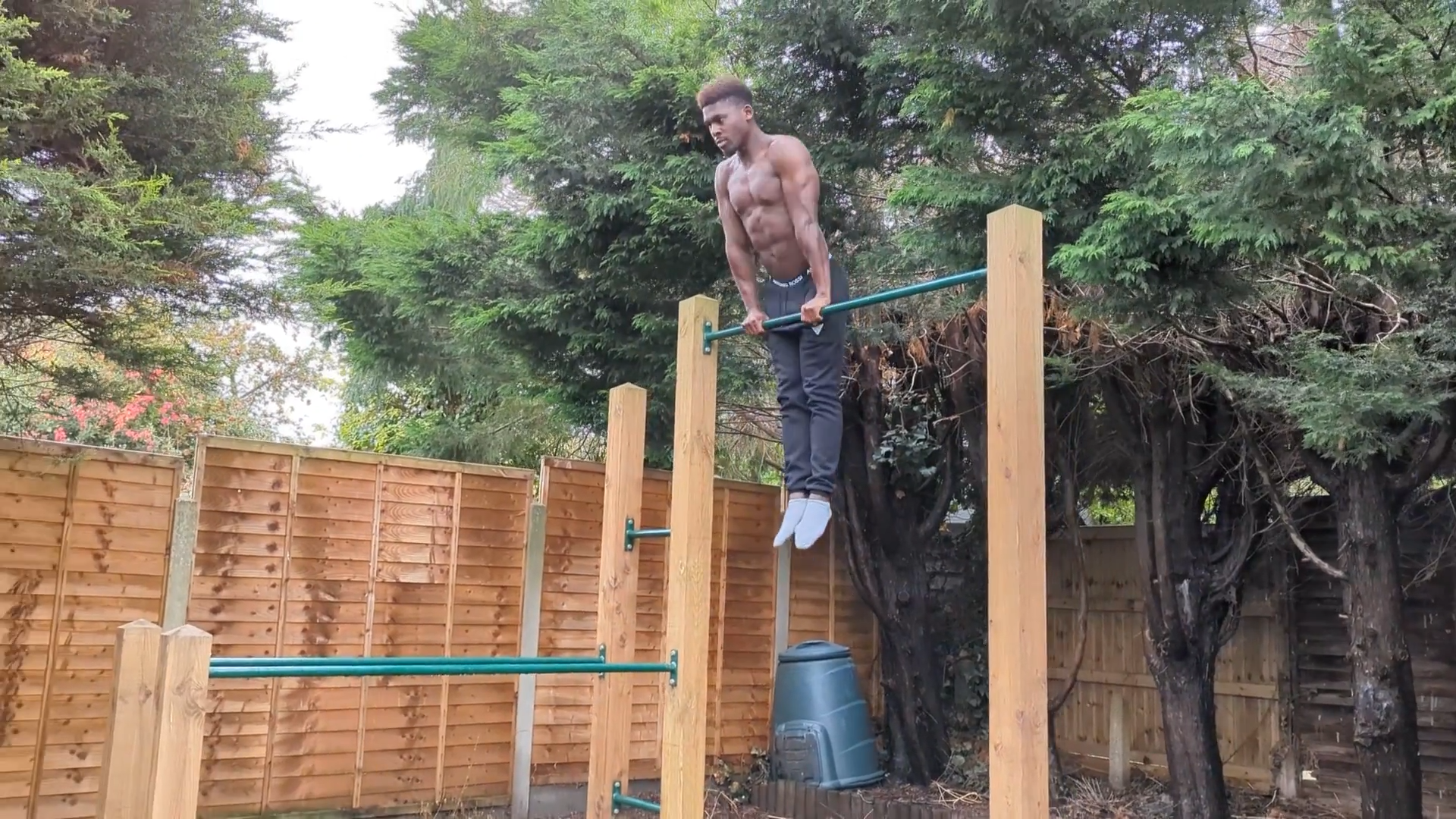
A garden Calisthenics gym isn’t cheap though, even if you build it yourself. But you can buy very affordable pull up stations out there, that can even be folded way when not in use
Pull Up Station: Must have
Next up we have a strange addition…
Finger bands.
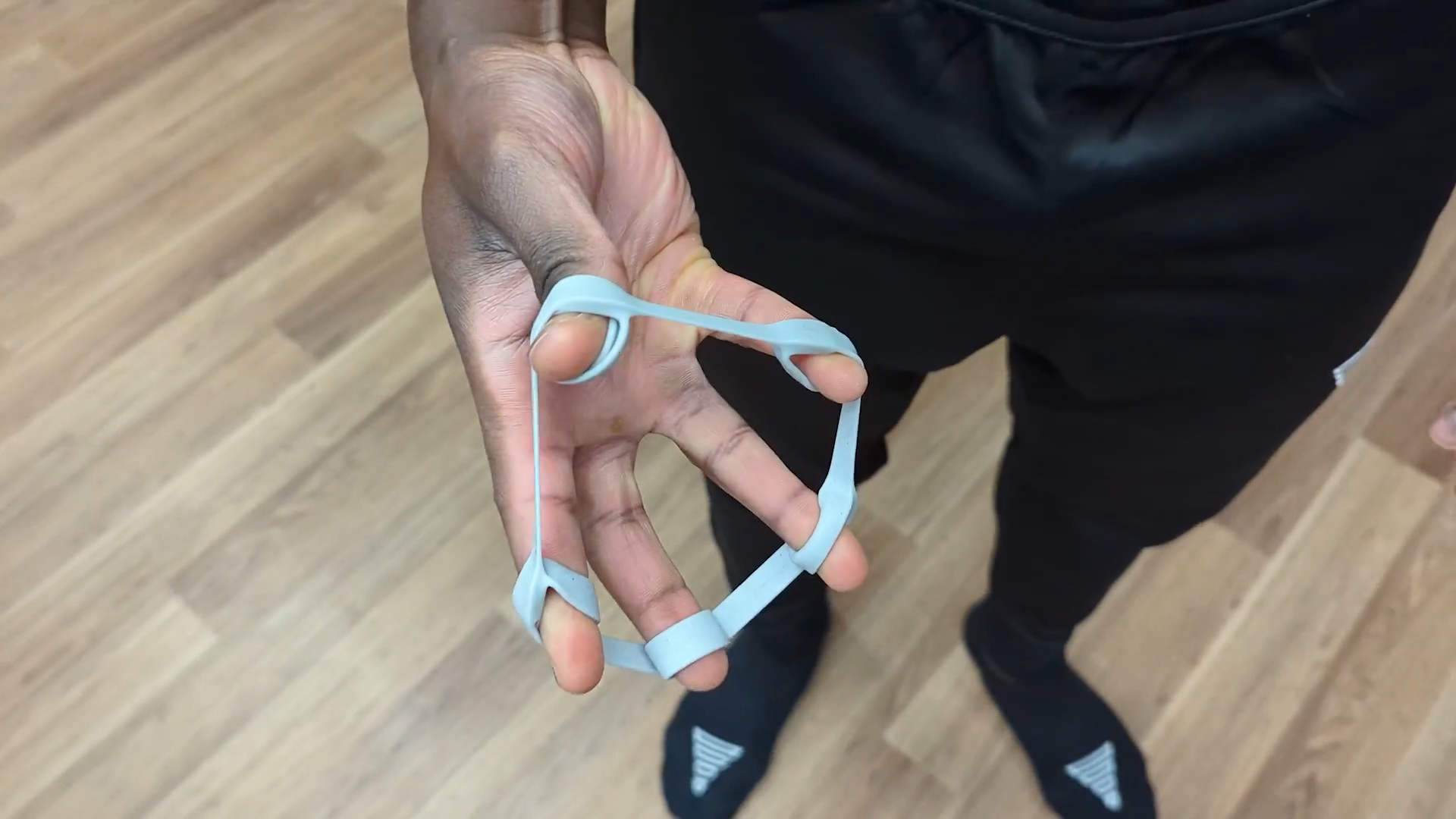
Now this is something that I had never heard of until I saw them recently, and decided to start using finger bands, and the difference they have made in my wrist conditioning is significant.
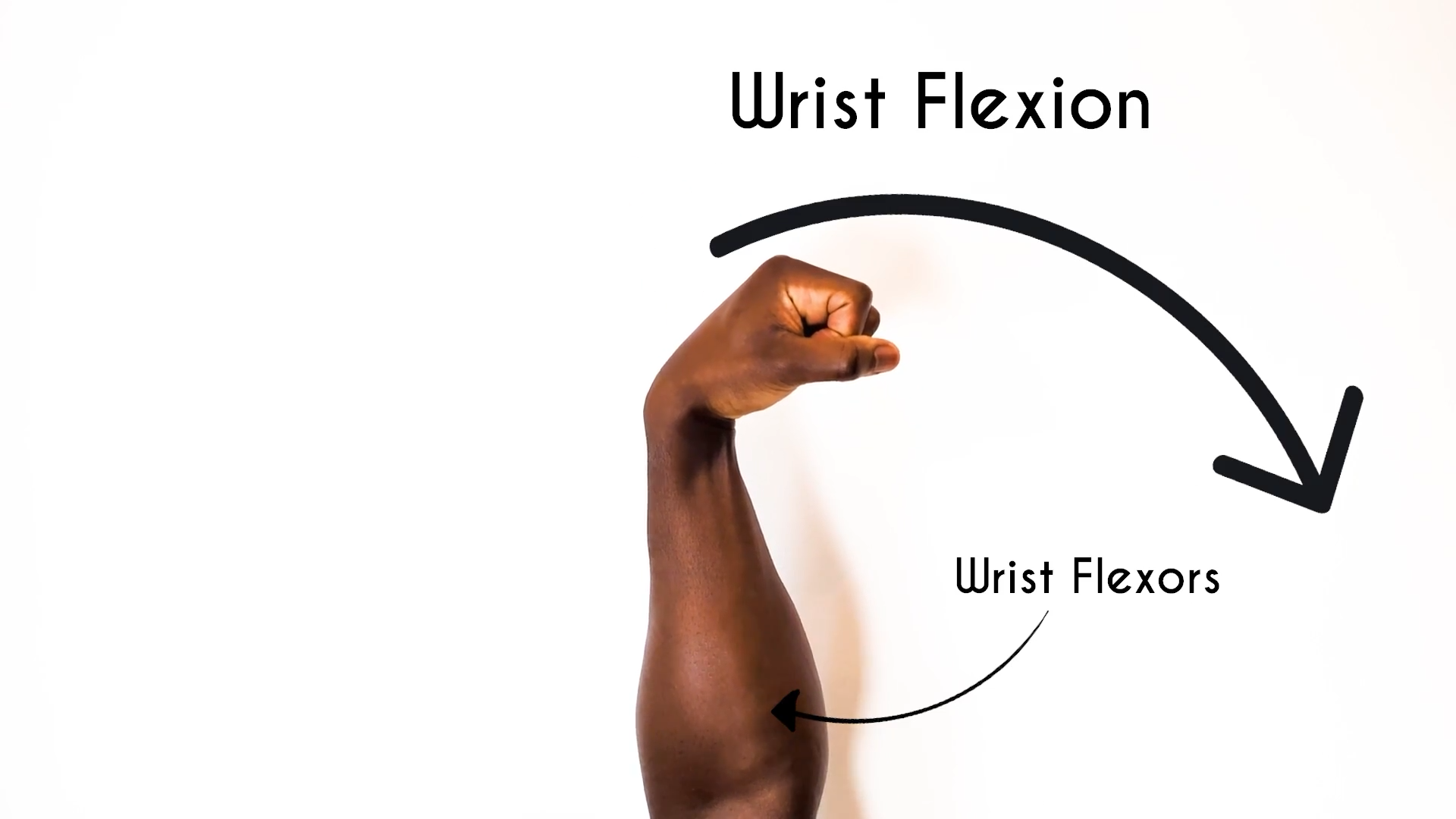
With calisthenics we spend a lot of time in wrist and finger flexion - More-so if if you’re working on handstands and planche work too, and we’ve spoken before on the channel about the importance of balancing flexion and extension of a joint.
Well these finger bands allow us to efficiently train finger extension and my anecdotal account of their effectiveness is a good one!
That being said, I don’t think these are a must for everybody, so unless you’re like me with, particularly weak wrists that used to regularly limit my handstand training, then save yourself the £9.
Finger Trainer: Nice to have
The next two pieces of calisthenic equipment we’ll tackle as a pair…
Weight Vests and Weighted Belts
I personally like using both for different things.
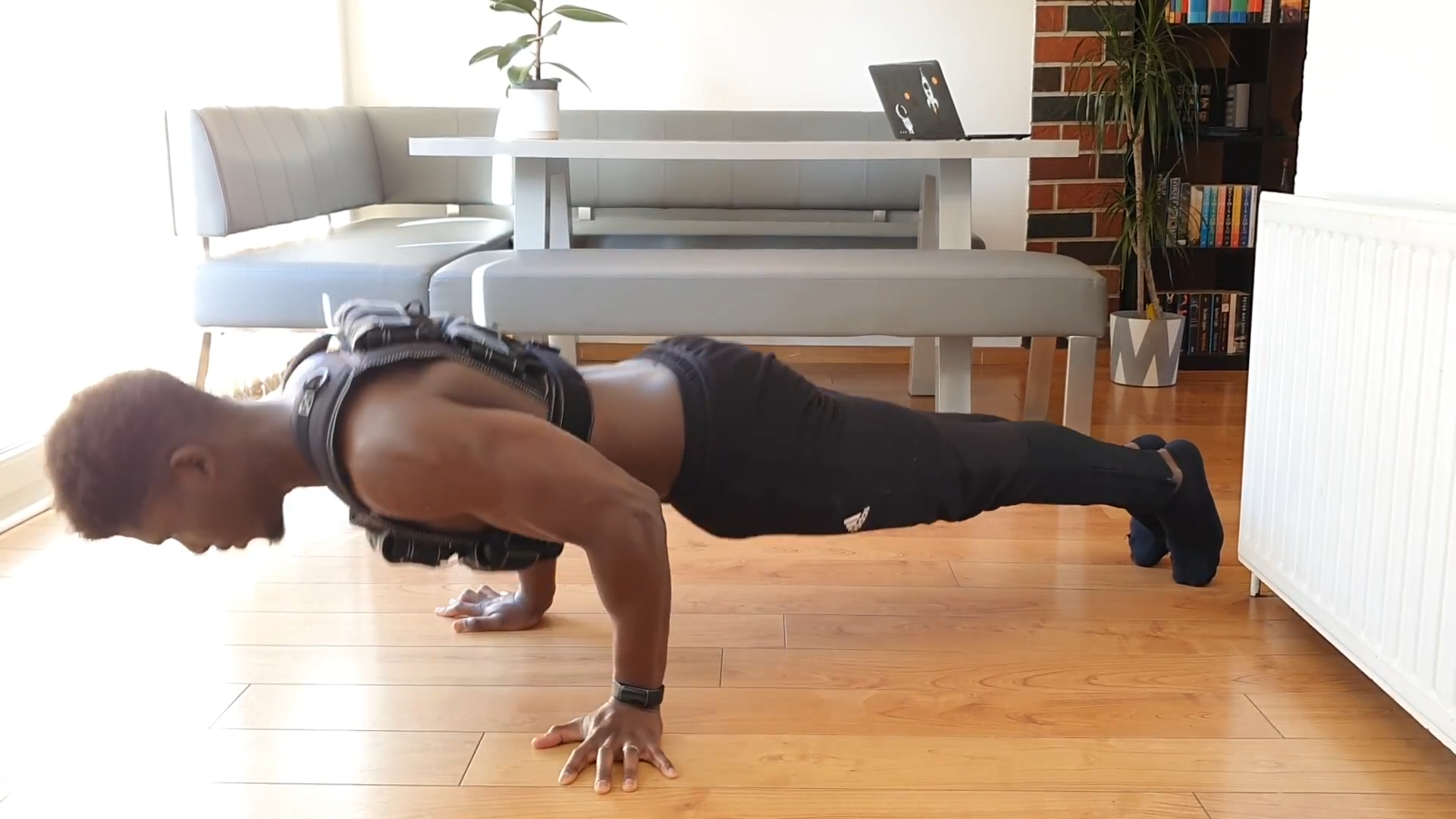
For horizontal pushing and pulling, where set up can be a real issue, weight vests just make more sense logistically
The thing is, vests typically only go up to 20KG and while that is more than enough to add intensity to most exercises, once you start getting to far heavier lifts, weighted belts are the more feasible option.
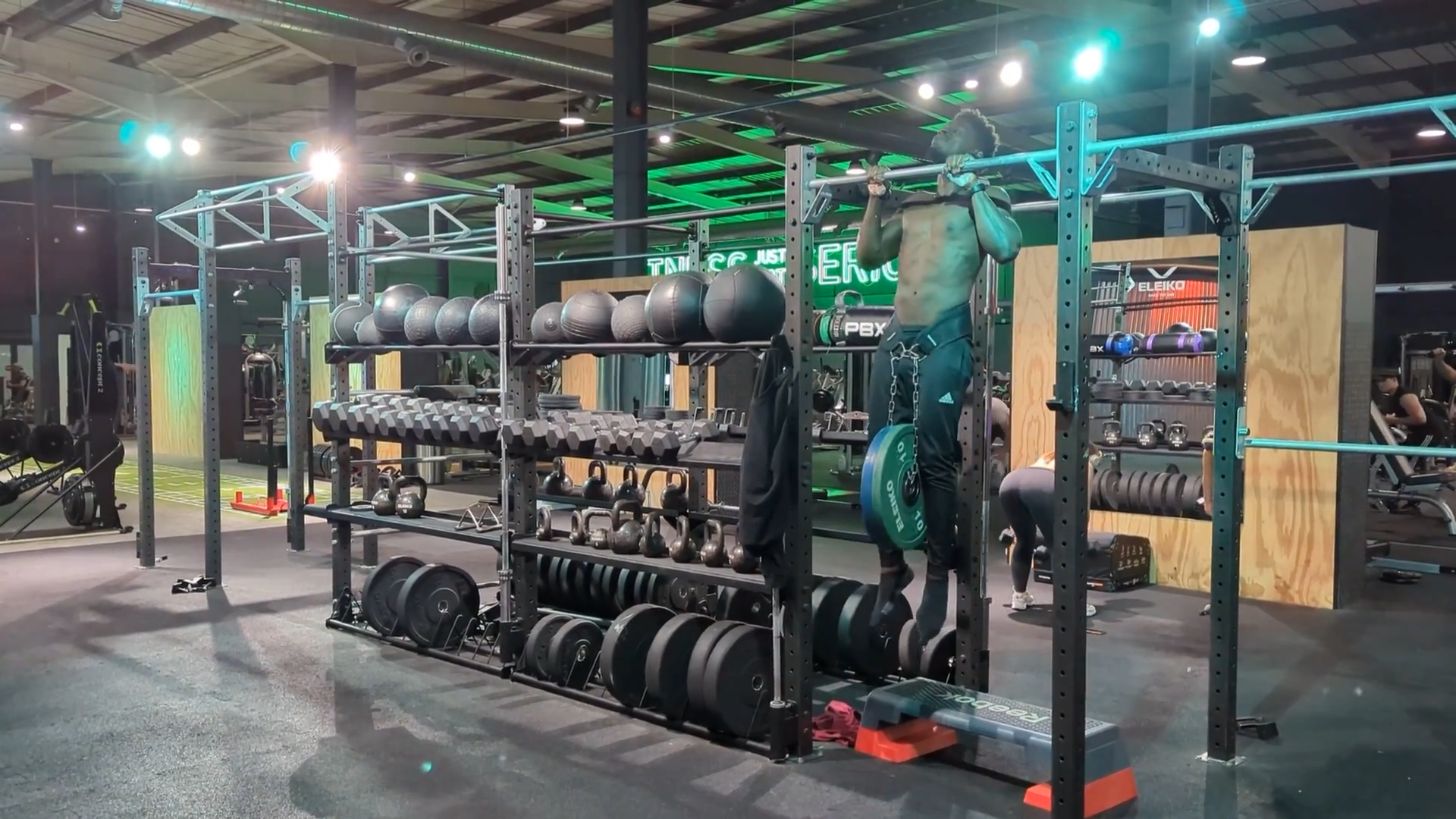
For both I would say though that there is a lot that you can do before you start adding weight your calisthenics lifts so be sure to be working from a solid bodyweight foundation before you drop money on equipment that adds even more weight.
Weight Vest & Weighted Bely: Must have
Wrist wraps
Wrist wraps are another one that I get asked a lot about and I know that there are a lot of zealots out there that are anti-wrap, but if wrist wraps allow you to perform better overall then more power to you.
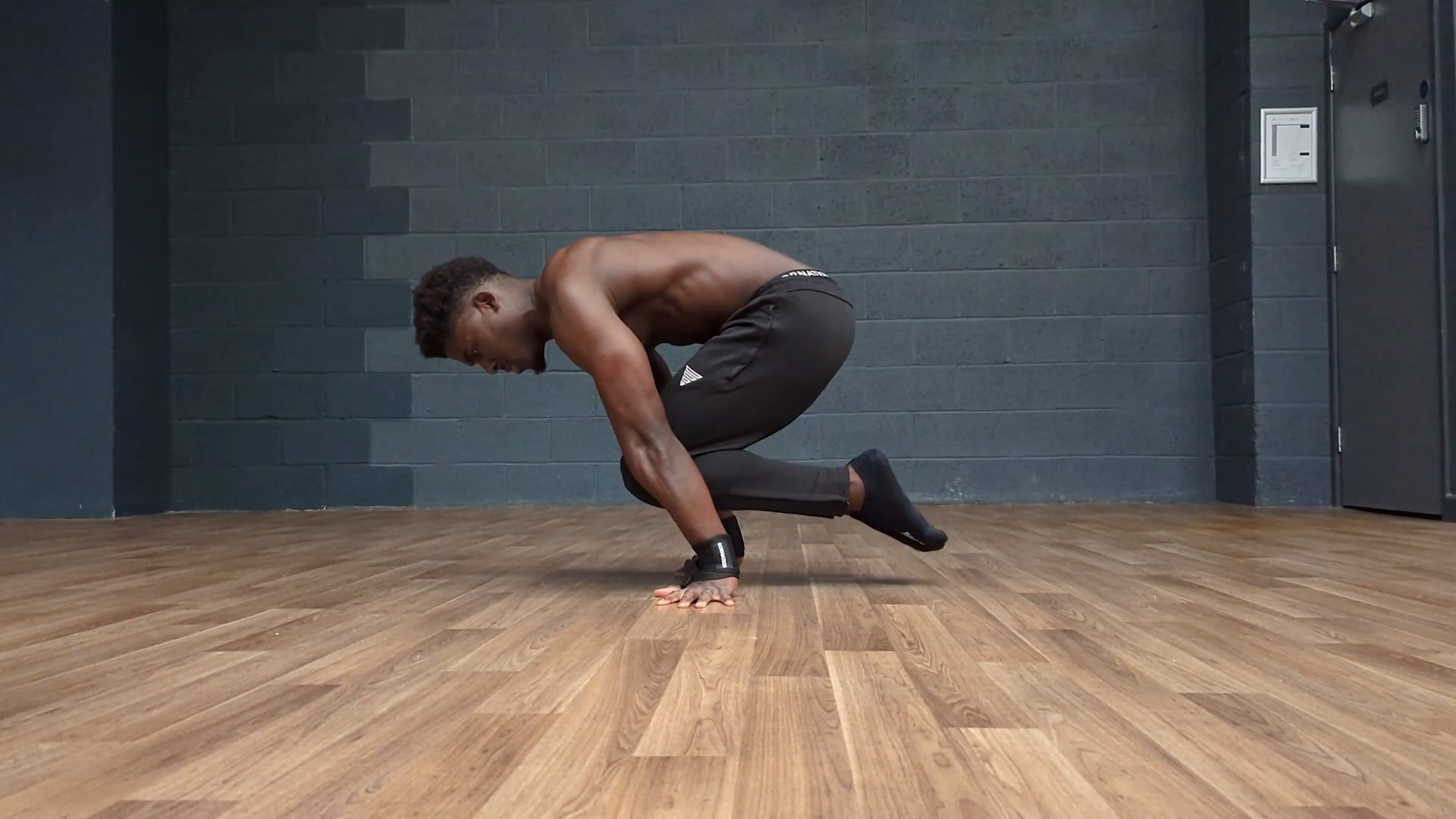
I personally don’t regularly use them anymore - but if you do, I also think it is important to consider why you may need them in the first place.
Are they an aid helping you get through to level up? Or are they masking a serious issue like overtraining or under-recovery.
Dream Machine: Nice to have
Parallettes
Sticking with the wrists for a second and we have parallettes.
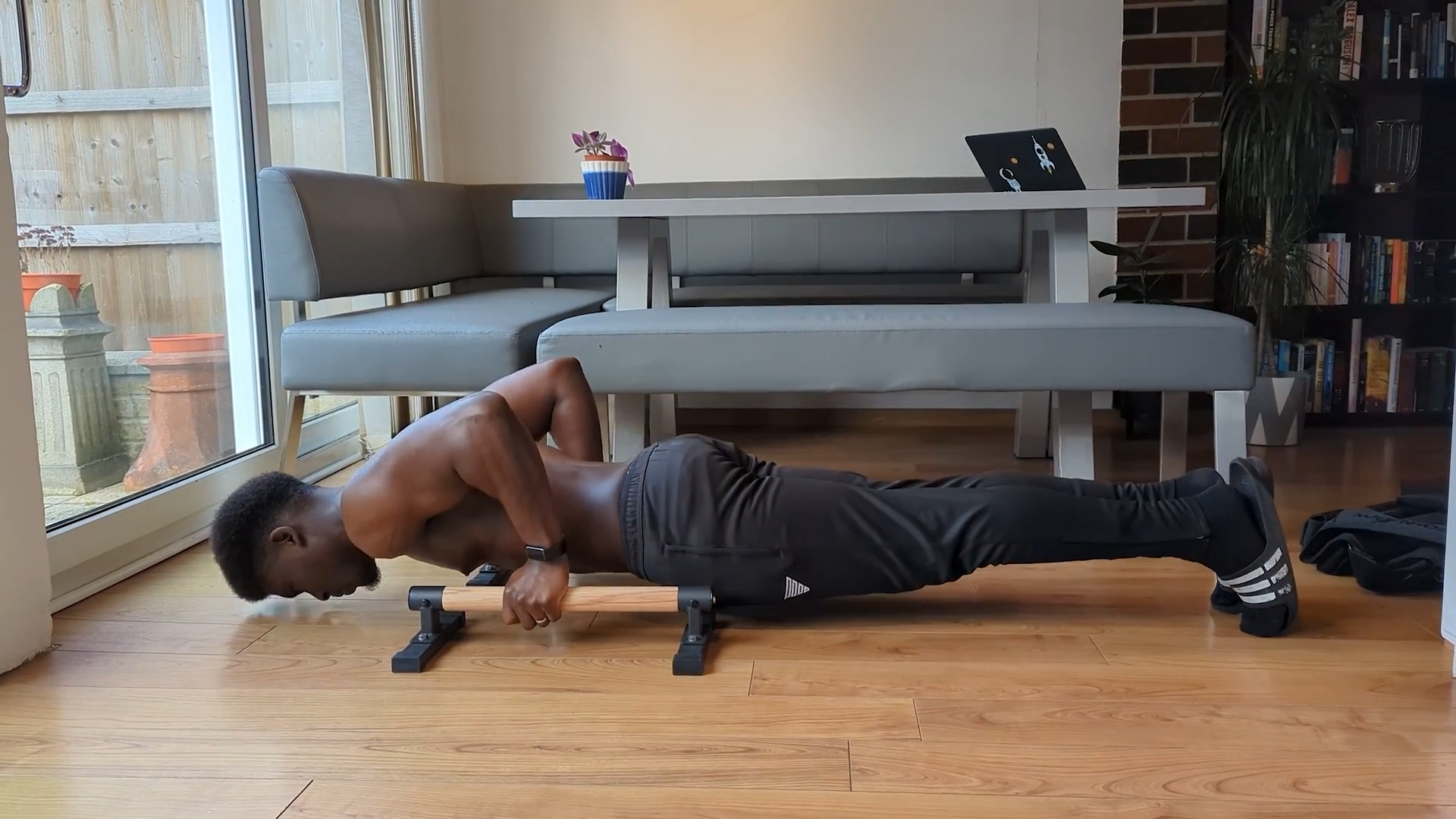
The choice of whether or not to parallette is one that can shape your whole calisthenics journey. They certainly offer less stress on the wrists compared to the floor, but also subtly change the nature of many movements.
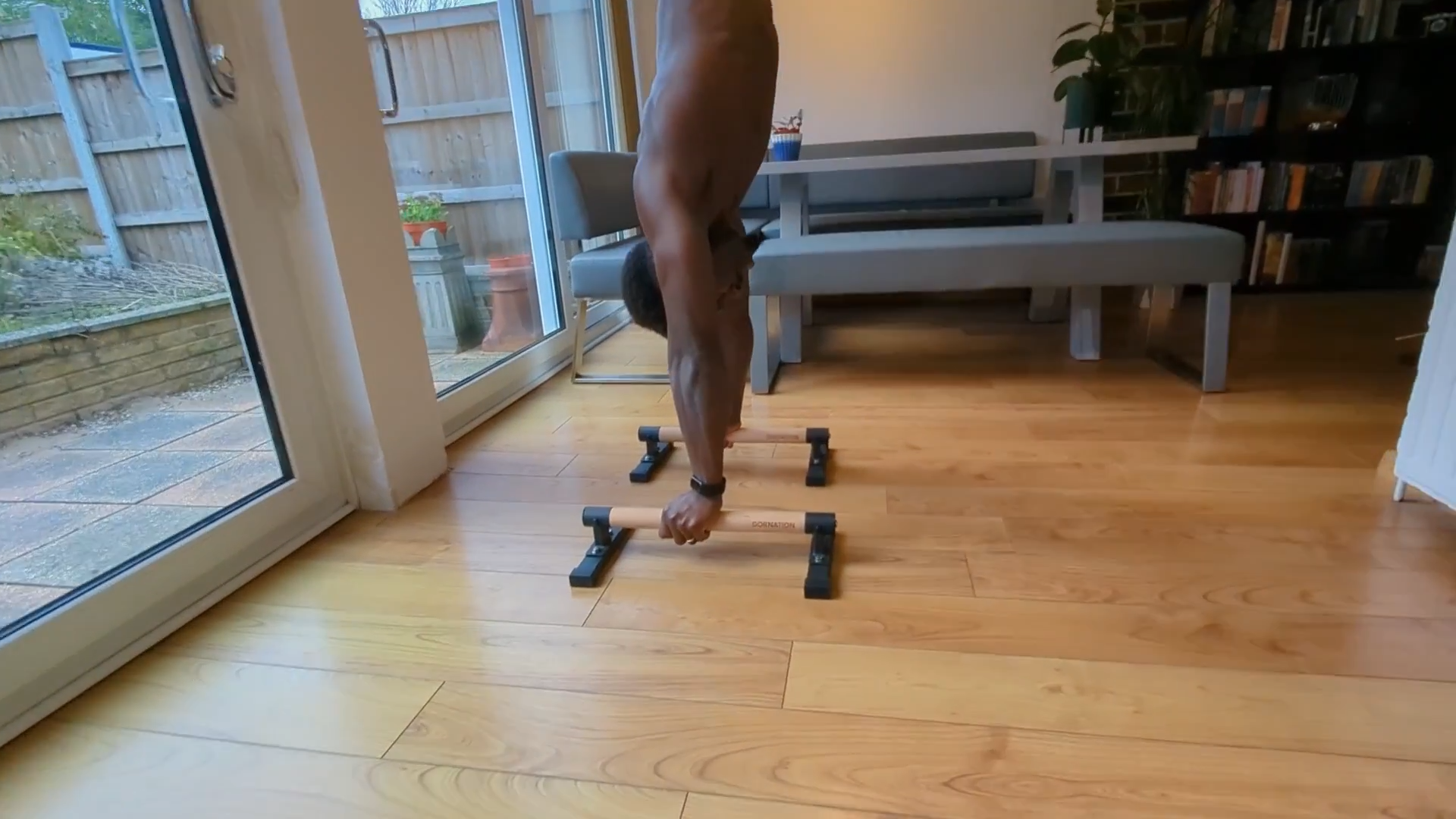
I know some amazing athletes that can only hand balance on parallettes for example
Personally, i have always been somebody who prefers to do calisthenics skill work on the floor - I think it works better for versatility as well as coming with its own set of challenges, but I still use parallettes for my strength work to take some of that heat off of my wrists.
Parallettes: Nice to have
Resistance Bands
Resistance bands are next and these are a must at every level of calisthenics!
One of the hardest things when it comes to calisthenics is bridging the gap between progressions.
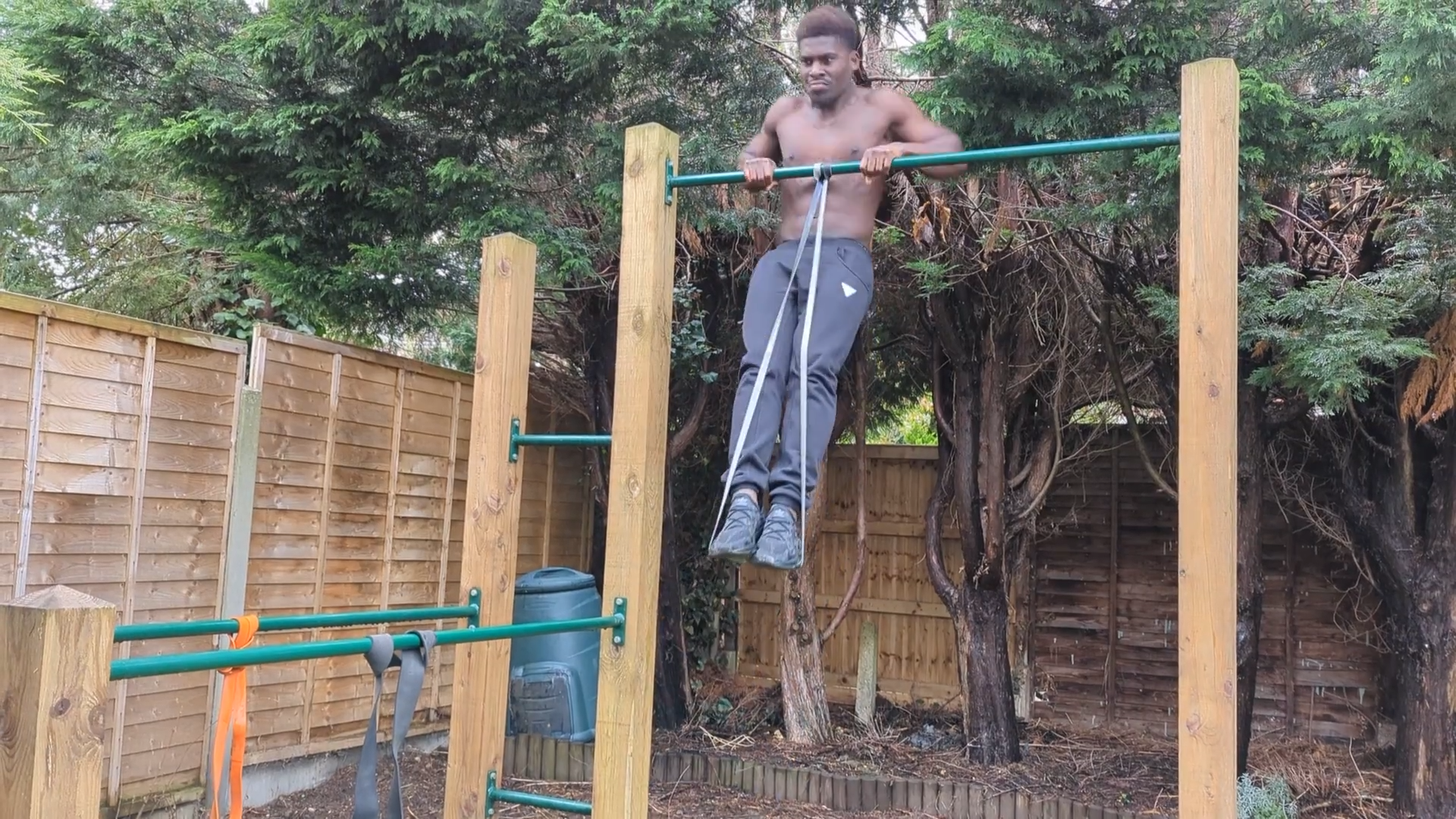
Bands allow us to do this in a way that is measurable and scalable, all while accumulating volume.
More to the point is that if we are working on a skill or exercise, but aren’t sure how it should feel, bands allow us to understand this and take that understanding into our progressions that will allow us to progress faster.
Resistance Bands: Must have
Ab Wheel
Ab wheels are a disrespectfully underrated piece of equipment, because when most people train the core, they train it for creating movement, often in spine flexion, but actually one of the main jobs of our core is to resist movement.
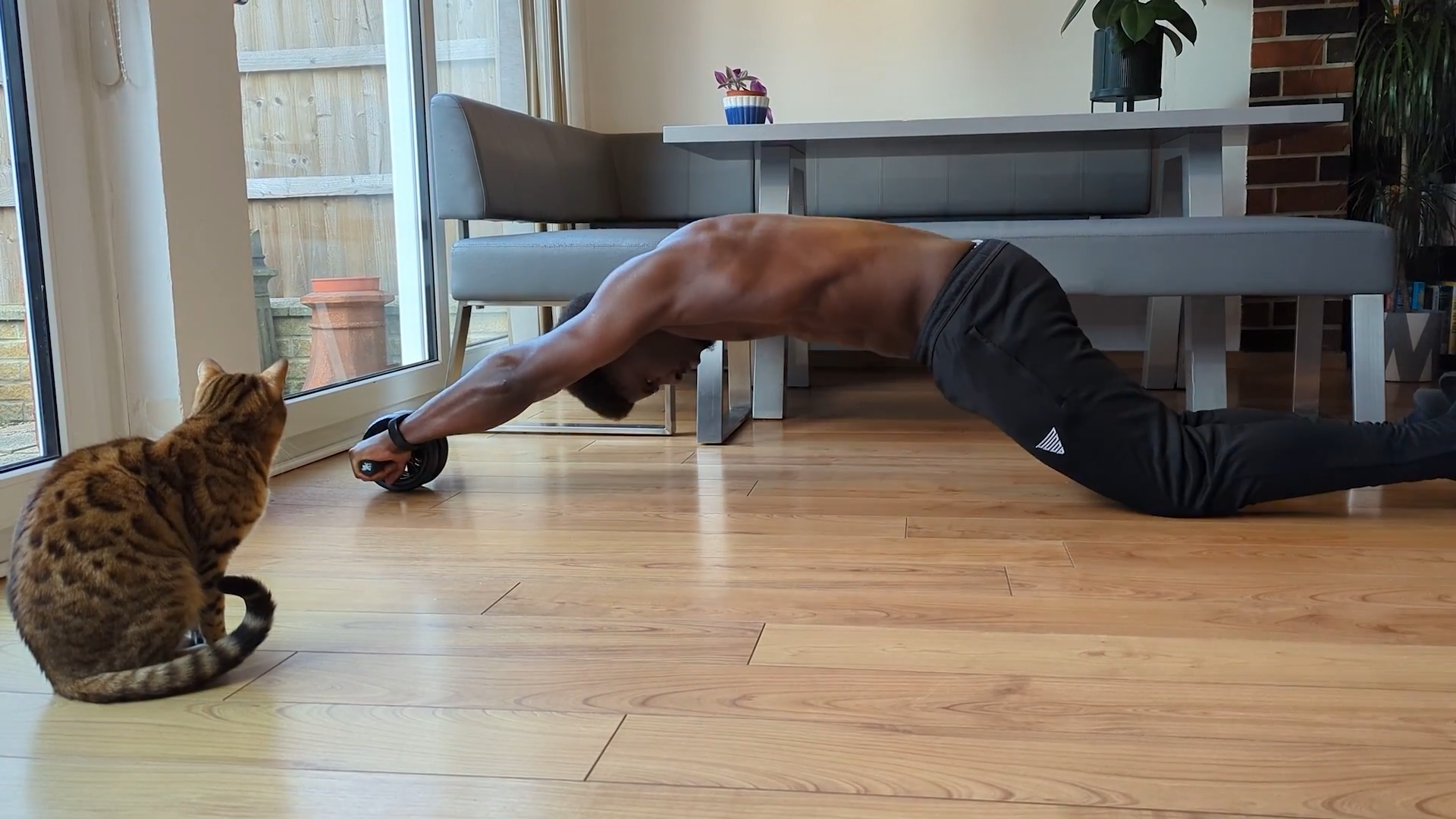
What I love about how the ab wheel does this is that we have this resistance to spine extension that we need to create, but we also have to do it while keeping the arms straight - improving the transferability to calisthenics skills such as the back lever or planche.
And if you can’t use an ab wheel yet or you want to see the best ab wheel progression, coupling them with resistance bands, makes them accessible for all!
Ab Wheel: Must have
Make sure all your training equipment is actually helping you, and if you want to supercharge your
calisthenics progress, then check out out the Cali Crowd Suite
Start
Learning
Calisthenics Skills